


A 30-minute conversation about your facility type, electrical environment, current maintenance approach, and the equipment that carries the most operational weight. The outcome is a shared read on whether continuous monitoring makes sense in your context. If it doesn’t, we’ll tell you.
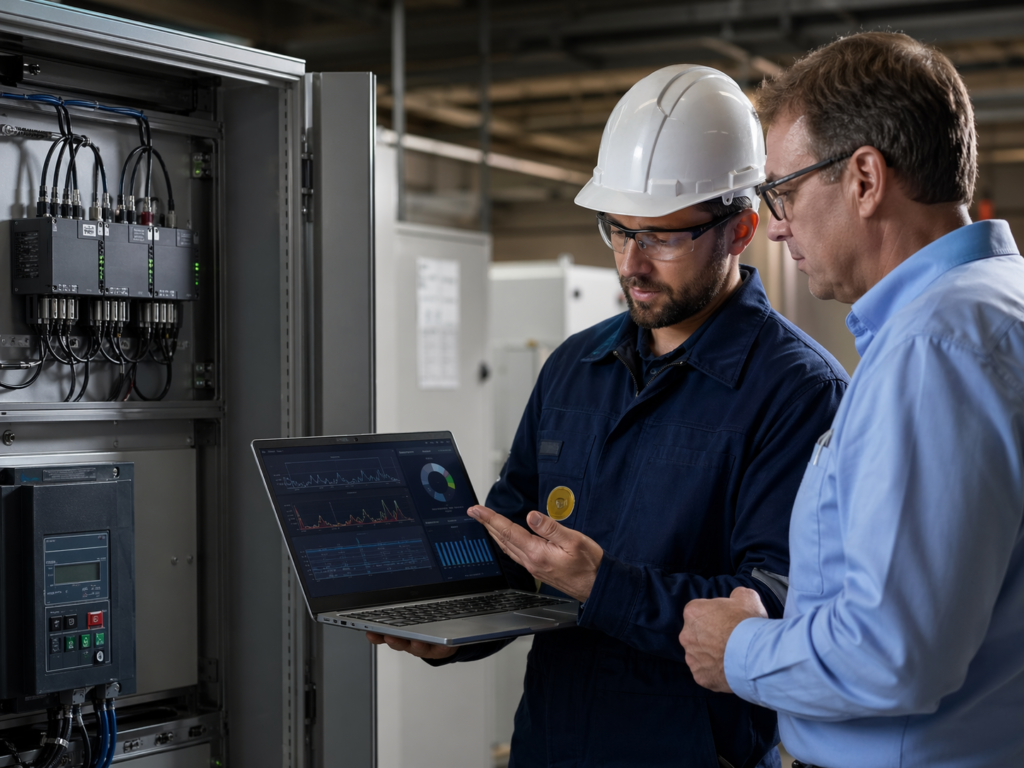
Where it makes sense, we come out. We review the facility with the people who live in it, look at the equipment in question, and discuss what coverage would look like. This is not a sales visit. It’s a technical and operational read.
We come back with a scope recommendation — which equipment, in what order, and why. Phased approaches are common; starting with the highest-impact electrical assets and extending coverage over time is often the smartest path.
Once scope is agreed, we handle activation with minimal operational disruption. You’ll know when monitoring is live.
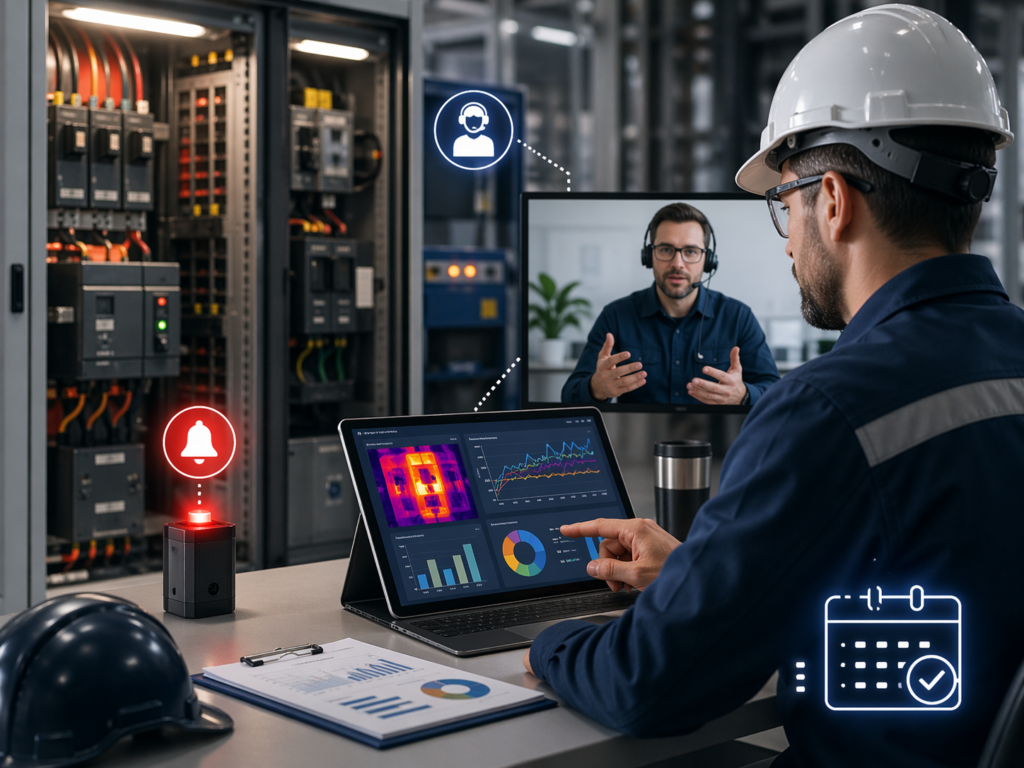
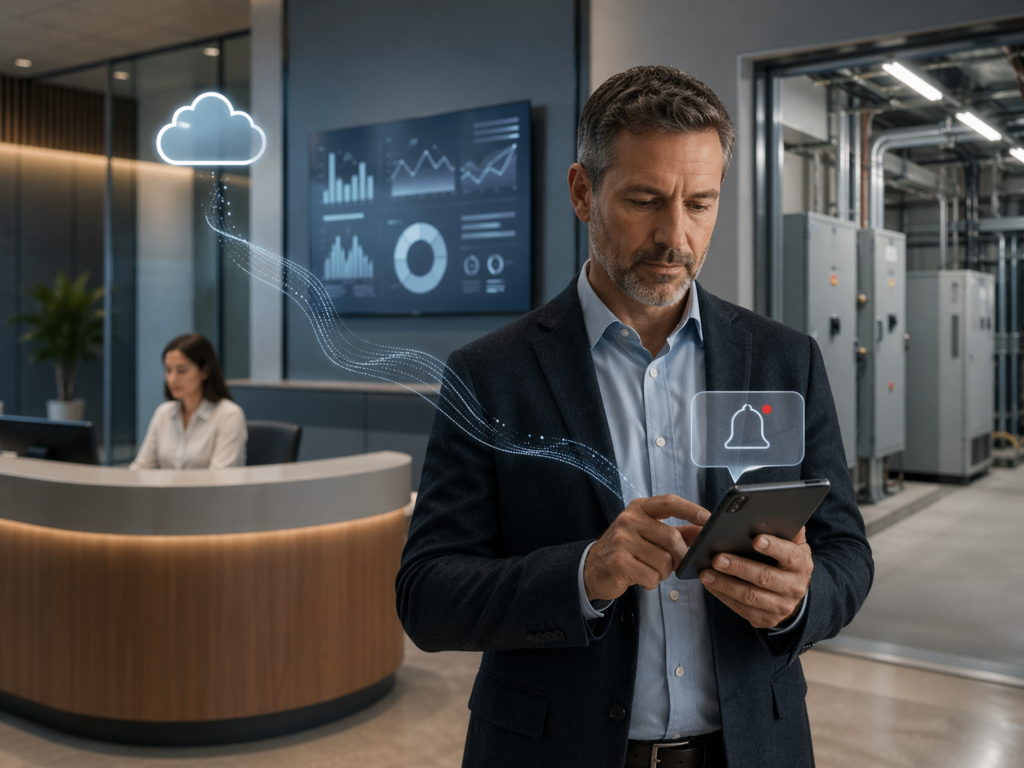
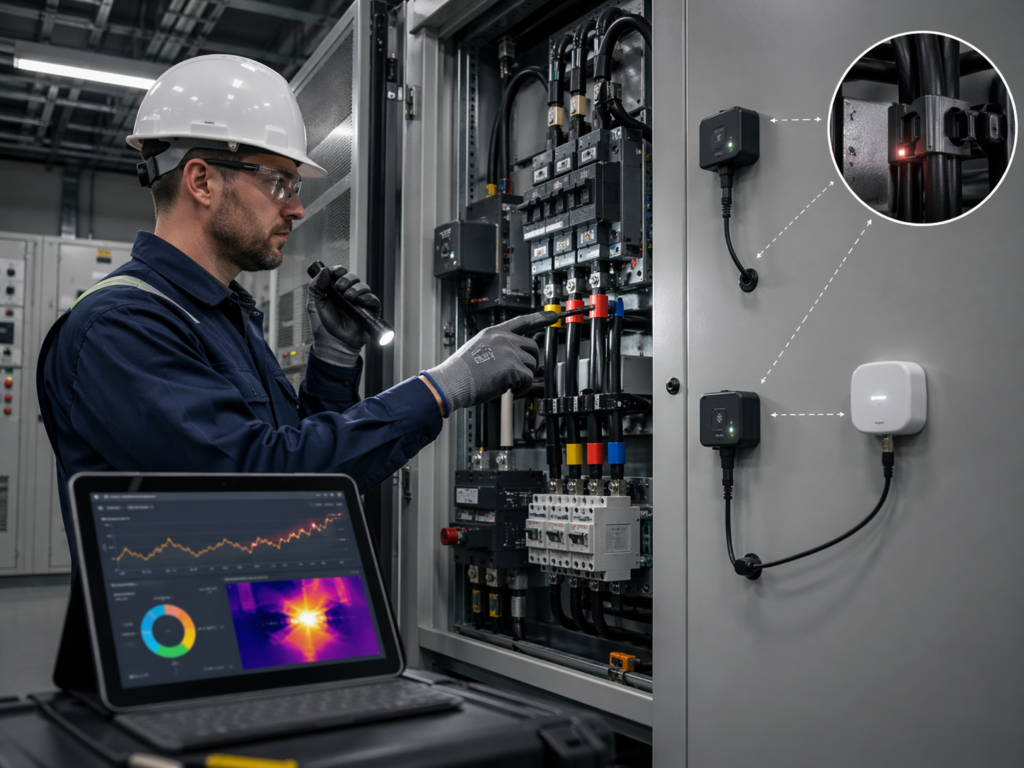
From day one, your critical equipment is under continuous thermal monitoring. When conditions begin to change in ways worth attention, your team is notified.
CTM365 stays with you. As your facility changes, we re-evaluate coverage and recalibrate where it makes sense.
It is not a real-time dashboard your front desk will log into. Analytics live behind the scenes; your team receives notifications.
It is not a one-time install. Ongoing service and interpretation are part of the value.
It is not an inspection replacement. It is a continuous complement.
© Copyright 2026 CTM365. All rights reserved.
© Copyright 2026 CTM365. All rights reserved.